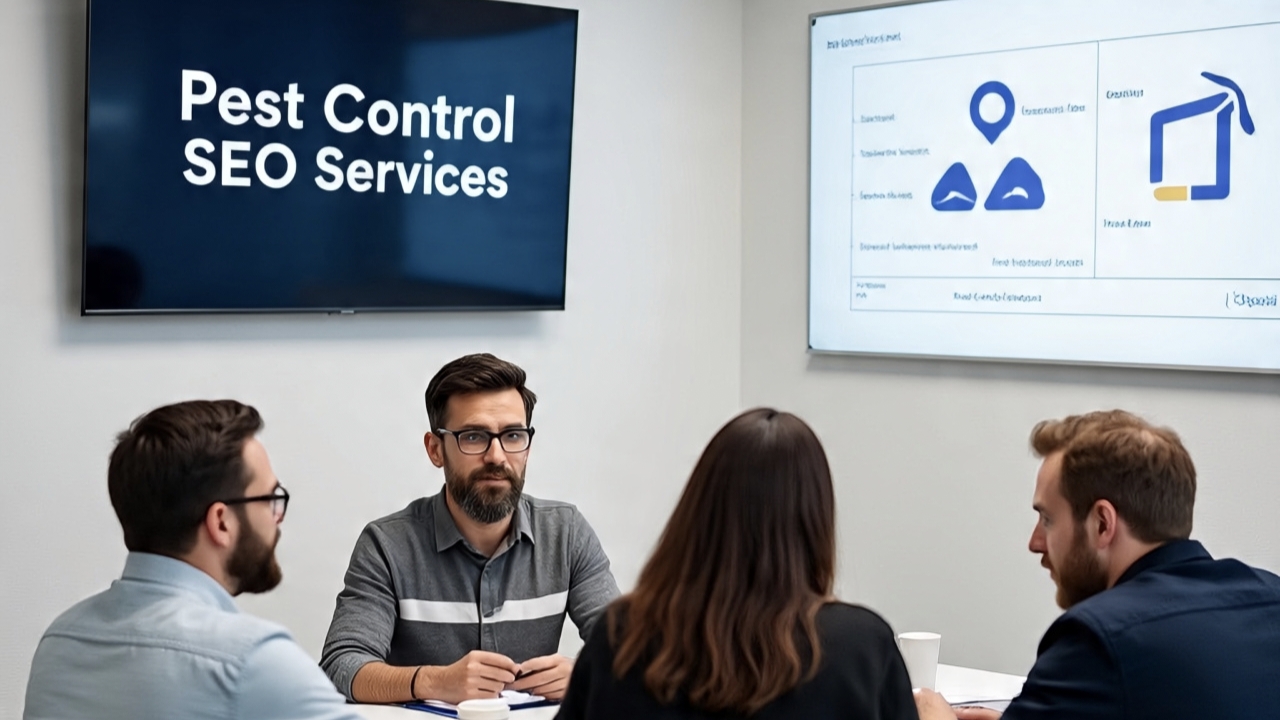
Here’s something simple. When someone finds termites in their wall, they don’t research for three weeks. They grab their phone and search. Whoever shows up first usually gets the call. That moment is everything. And that’s why pest control SEO services matter so much. They don’t just “improve rankings.” They position your business in front of people who are ready to hire. Done properly, search traffic stops being random and starts becoming predictable revenue. Let’s talk about how that actually works in real life.
1. It Starts With Understanding How People Actually Search
Most pest control companies guess their keywords. That’s a mistake. Real customers don’t type robotic phrases. They type problems. “How to get rid of rats fast.” “emergency bed bug treatment.” “The exterminator near me is open now.” Those searches carry urgency.
Strong optimization focuses on those high-intent phrases instead of chasing broad, meaningless traffic. That’s also a core principle of home services SEO, because service businesses depend on people who are ready to act, not just scroll.
When you align your content with real search behavior, something shifts. Traffic quality improves. Calls increase. You stop paying attention to vanity metrics and start watching booked jobs. That’s the difference between visibility and growth.
2. Your Website Has to Feel Clear, Not Complicated
Let’s be honest, many pest control websites feel cluttered. There are too many words, too many generic images, and not enough clear information. When someone visits your website, they should understand within five seconds what you do, where you operate, and how they can contact you. If that information is hard to find, visitors will likely leave.
Each service should have its own dedicated page, such as termites, rodents, or mosquitoes. These pages should answer common questions in simple language. For example: How long does the treatment take? Is it safe for pets? What should the customer expect after the service? Clear answers build confidence.
This approach is especially important in SEO for home service company strategies. People choose service providers they trust, and a slow or confusing website can quickly damage that trust. A clean layout, clear calls to action, and a mobile-friendly design help keep visitors on your site longer. When users stay engaged, search engines recognize your site as helpful and rank it higher. Simple websites often perform best.
3. Local Visibility Is Where Most Calls Come From
Here’s something many business owners overlook: those map results at the top of Google often drive more calls than regular listings. If your business isn’t showing there, you’re missing real opportunities.
Local optimization means keeping your business name, address, and phone number consistent everywhere online. It means actively collecting reviews and responding to them. It means adding content that reflects the actual pest problems people face in your service areas.
These efforts tie directly into broader SEO for home services campaigns. Proximity matters in local search, but authority and relevance matter just as much. When your local signals are aligned, your business shows up when urgency is highest. That’s when conversion rates spike.
4. Helpful Content Builds Long-Term Authority
A lot of companies ignore content because they think customers don’t read. They do especially when they’re unsure about a problem. If someone suspects termites, they want to know the signs. If they hear scratching at night, they want to know if it’s serious. When your website answers those questions clearly, trust builds. Over time, that content attracts links from other websites. Those links act like digital recommendations. Search engines notice.
This approach is foundational in the home service industry SEO, where competition is strong, and authority separates page one from page three. Content doesn’t have to be fancy. It just needs to be useful. Clear answers. Real explanations. No fluff. Consistency here compounds. One article won’t change everything. Twenty well-written ones will.
5. Technical Health Keeps Everything Stable
Now for the part most people don’t see. Behind every strong ranking is technical groundwork. Site speed. Mobile performance. Clean internal links. Secure browsing. Most pest searches happen on phones. If your site takes too long to load, people leave. It’s that simple.
Search engines also look for crawl errors, broken links, and structural problems. If your website has technical weaknesses, rankings fluctuate.
Fixing these issues isn’t flashy. But it protects your visibility. Think of it as maintenance. Quiet work that prevents bigger problems later. When the technical structure supports content and local signals, performance becomes stable instead of unpredictable.
Conclusion
Local search growth doesn’t happen by accident. It comes from understanding how customers search, building a clear and trustworthy website, strengthening local presence, publishing useful content, and maintaining technical health. When those pieces work together, your pest control business appears at the right time, when someone needs help fast. That visibility turns into consistent inquiries, stronger credibility, and steady long-term growth.
CTA:
Stop relying solely on ads for growth. With a strategic organic marketing plan from Grow Nearby, your business can attract long-term traffic and convert online searches into booked jobs.
FAQs
1. How long does SEO take to show results for pest control companies?
Most businesses begin noticing meaningful ranking improvements within three to six months. Competitive markets may take longer, but consistent work produces lasting gains.
2. Why is local search so important for pest control services?
Pest problems create urgency. People search nearby and act fast. Strong local visibility increases map rankings and brings in more immediate calls.