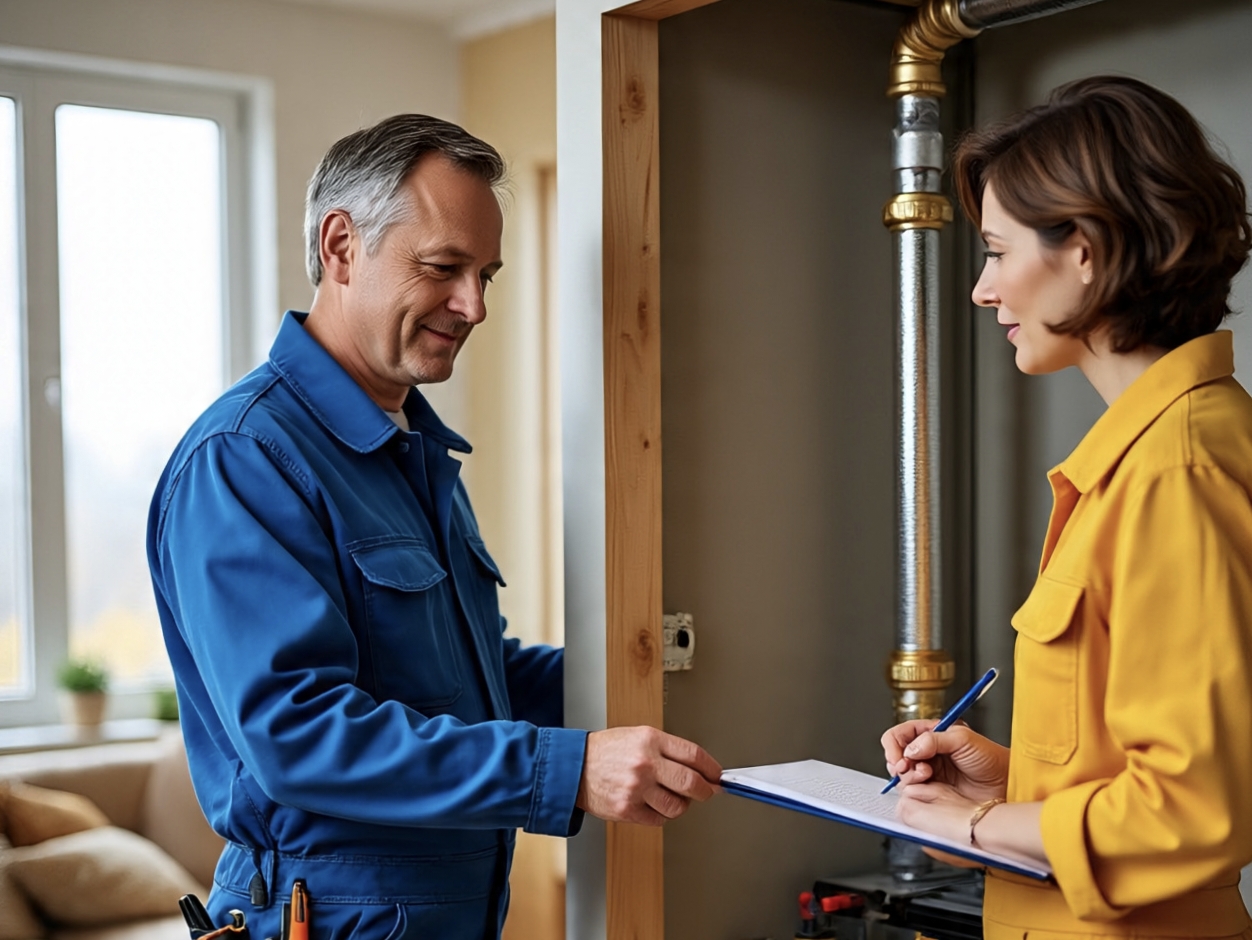
A heating system usually shows warning signs before it fails completely, but many homeowners miss them. When comfort drops or energy bills spike, trained technicians follow a proven inspection order to quickly identify the real issue. This process matters because early checks prevent misdiagnosis and unnecessary part replacements.
In places where winters still demand reliable warmth, professionals know that a rushed inspection leads to repeat breakdowns. That is why experienced technicians begin every service call with the same core evaluations, especially for heating repair in El Monte, CA, where systems often work harder during seasonal shifts.
Understanding what gets checked first helps homeowners see the value behind a professional service call. It also explains why quick DIY fixes rarely solve deeper problems. Each initial step protects safety, efficiency, and long-term system health. When these basics are overlooked, small faults can escalate into expensive failures. Below is a clear look at what technicians prioritize and why each step matters.
1. Thermostat Settings And Communication Checks
Technicians begin with the thermostat because it controls the entire heating cycle. They verify temperature settings, operating modes, and whether the unit sends proper signals to the system. A faulty thermostat can mimic serious equipment failure even when the heater itself works fine. Checking this first saves time and avoids unnecessary disassembly. It also ensures the problem is not simply a calibration or wiring issue.
2. Power Supply And Electrical Connections
The next step focuses on power sources and electrical integrity. Technicians inspect circuit breakers, fuses, and disconnect switches to confirm steady power flow. Loose or damaged wiring often causes intermittent shutdowns, which can confuse homeowners. Addressing electrical problems early improves safety and prevents component damage. This check also protects sensitive controls from voltage-related failures.
3. Airflow And Filter Condition
Proper airflow is essential for efficient heating performance. Technicians inspect air filters, return vents, and duct openings for blockages. A clogged filter forces the system to work harder, increasing wear and energy use. Restricted airflow can also trigger safety shutoffs and uneven heating. Fixing airflow issues early often restores comfort without deeper repairs.
4. Ignition And Fuel Delivery Systems
For gas or electric systems, ignition and fuel delivery are critical checkpoints. Technicians test igniters, pilot assemblies, and gas valves to ensure reliable startup. Even minor ignition delays can strain components and reduce efficiency. This inspection also confirms that fuel burns cleanly and safely. Reliable ignition protects both system performance and household safety.
5. Heat Exchanger And Safety Controls
The heat exchanger receives close attention because it directly affects indoor air quality. Technicians look for cracks, corrosion, or signs of overheating. Damaged heat exchangers can leak harmful gases into living spaces. Safety controls, such as limit switches and sensors, are tested alongside it. These checks ensure the system shuts down properly if unsafe conditions arise.
Conclusion
After completing these initial steps, technicians gain a clear picture of the system’s condition. This methodical approach prevents guesswork and reduces long-term repair costs. It also helps homeowners understand why professional diagnostics matter more than quick fixes. When systems receive proper inspections, they last longer and run more efficiently. Preventive care often avoids the need for emergency replacements.
Regular servicing also supports long-term planning for system upgrades. When technicians know a unit’s history, they can advise whether repairs still make sense. This insight is especially helpful when considering future heating installation in El Monte, CA, as it allows homeowners to budget wisely. A clear inspection today leads to smarter decisions tomorrow. Comfort, safety, and efficiency all improve when inspections follow the right order.
CTA
If your heating system shows signs of trouble, do not wait for a full breakdown. Schedule a professional inspection to catch issues early and restore reliable comfort. Expert technicians at Wukmir Heating and Air Conditioning can diagnose problems accurately and keep your system running efficiently. Call the trusted team at 626-442-2148.
FAQs
1. Why is heating repair in El Monte, CA, often needed during seasonal changes?
Seasonal temperature shifts cause heating systems to cycle on and off more frequently. This increased demand exposes worn components and airflow issues. Timely professional service helps prevent sudden failures during peak use.
2. How often should homeowners schedule heating inspections?
Most professionals recommend annual inspections before cooler months arrive. Regular checkups help identify small problems early and improve system efficiency. Consistent maintenance also extends the lifespan of heating equipment.