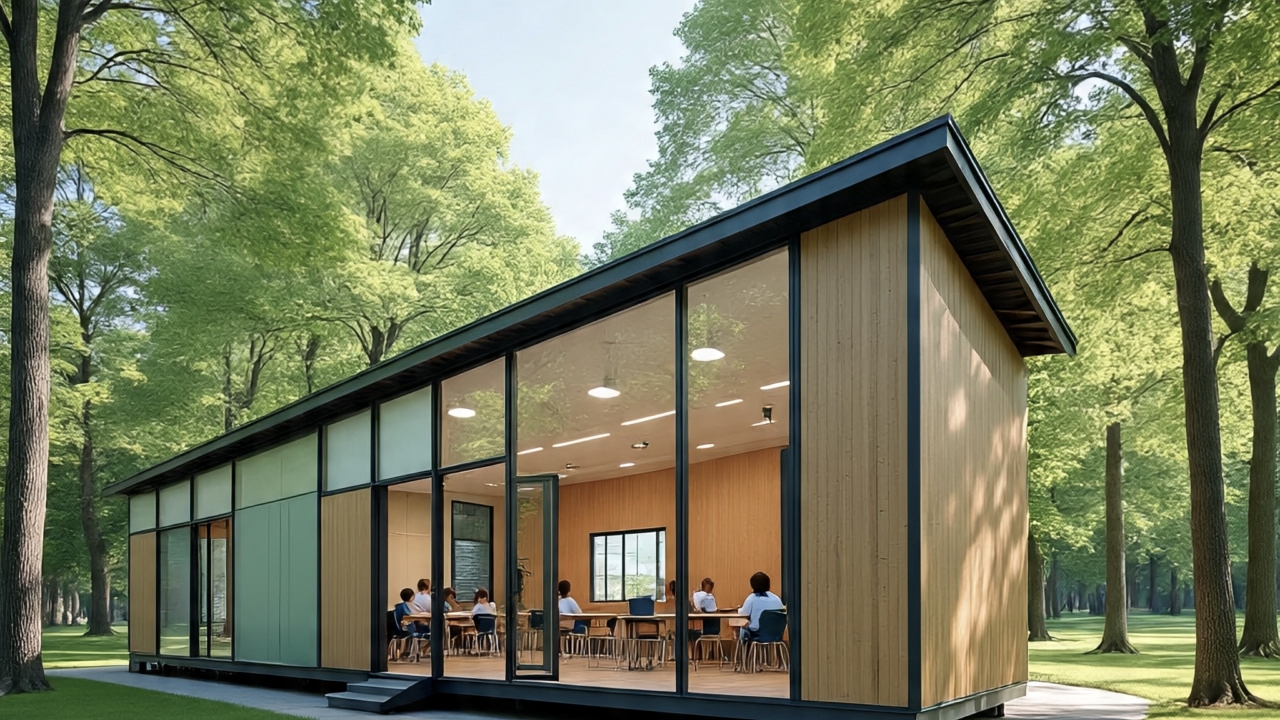
Sending a child to school usually means packing a lunchbox and waving goodbye at the bus stop. Virtual public education changes that picture entirely. The classroom moves into the living room. This shift brings questions about how it all works.
Parents want to know if their kids will learn the same material as their peers. They wonder about friendships and focus. Getting a clear picture of what happens daily helps families make confident decisions.
The Reality of the Digital Classroom
Online learning involves much more than staring at a screen for six hours. It utilizes a mix of live instruction and independent work. Students might attend a video lecture then spend an hour on a project. The curriculum mirrors what students find in a traditional setting.
Many parents look into a Florida online school to see how the schedule balances flexibility with structure. It gives students the freedom to work at a pace that suits them while meeting state standards. The setup empowers learners to take ownership of their schedule while still having access to certified teachers.
Finding Friends beyond the Screen
Socialization looks different here but remains a priority. Students interact through chat features, video discussions, and collaborative projects. Many programs organize virtual clubs to keep the fun alive.
Families who choose options like Virtual Prep Academy often find that these planned activities help students bond over shared interests. It requires a bit more effort to schedule playdates or extracurricular activities outside of school hours.
Encouraging participation in local sports or hobby groups ensures kids get plenty of personal time with friends.
Create a Space for Focus
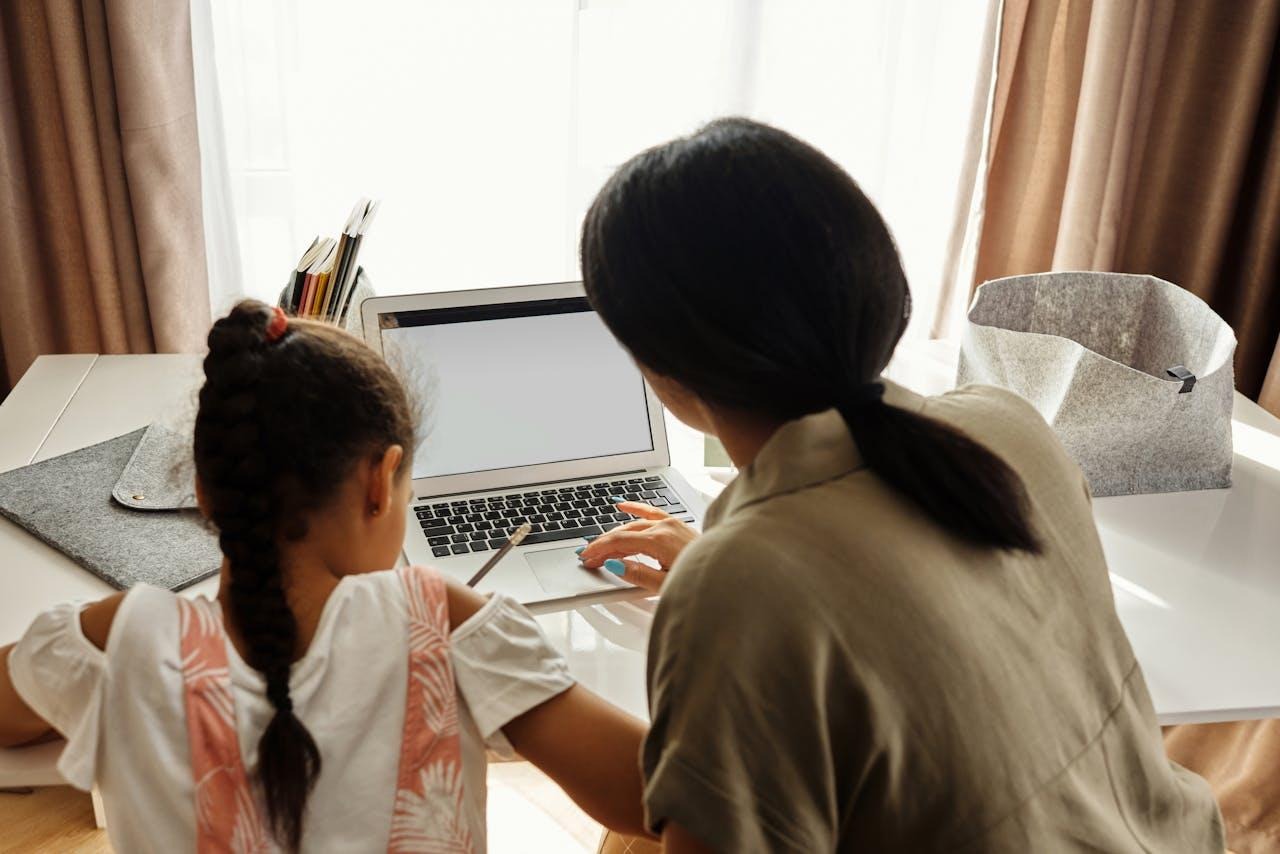
A dedicated learning spot changes how a student focuses. The kitchen table might work for homework, but a full school day requires a specific setup. A desk in a quiet corner helps separate school time from relax time. Good lighting and a comfortable chair matter more than you might think.
Keeping the area free of distractions like toys or television helps the brain switch into learning mode. When the school day ends, the student can step away from that space to mentally clock out. This separation assists in maintaining a healthy balance between home life and school responsibilities.
Check for True Learning
Logging in does not always mean learning. Parents need to look for signs of active participation. A student staring blankly at the monitor might be zoned out. Ask questions about what they learned that day. Look at the notes they take during lessons.
If they can explain a concept back to you, they likely understand it. Regular breaks help maintain energy levels. Short bursts of physical activity can reset a wandering mind and get a student ready for the next subject. Monitoring these cues helps prevent students from falling behind silently.
Evaluate the Lasting Fit
Every child learns differently. Some thrive with the independence of virtual schooling. Others miss the buzz of a crowded hallway. Watch how the student adjusts over the first few months. Improved grades and a happier attitude often signal a good fit.
Continued frustration or isolation might mean reevaluating the choice. Flexibility allows families to pivot if needed. The goal remains providing the best environment for the student to grow. Trust your observation of how your child develops in this new setting.