A crawlspace is a shallow, unfinished area beneath the main structure of a building. Moisture enters crawl spaces from groundwater that rises from unsealed soil or rainwater that penetrates through poor surface drainage. Persistent moisture in crawl spaces encourages mold and mildew growth, and this can affect indoor air quality and trigger respiratory problems. Here is how crawlspace encapsulations work and how maintenance helps control moisture and protect the home’s structural components:
Crawlspace Encapsulations Process
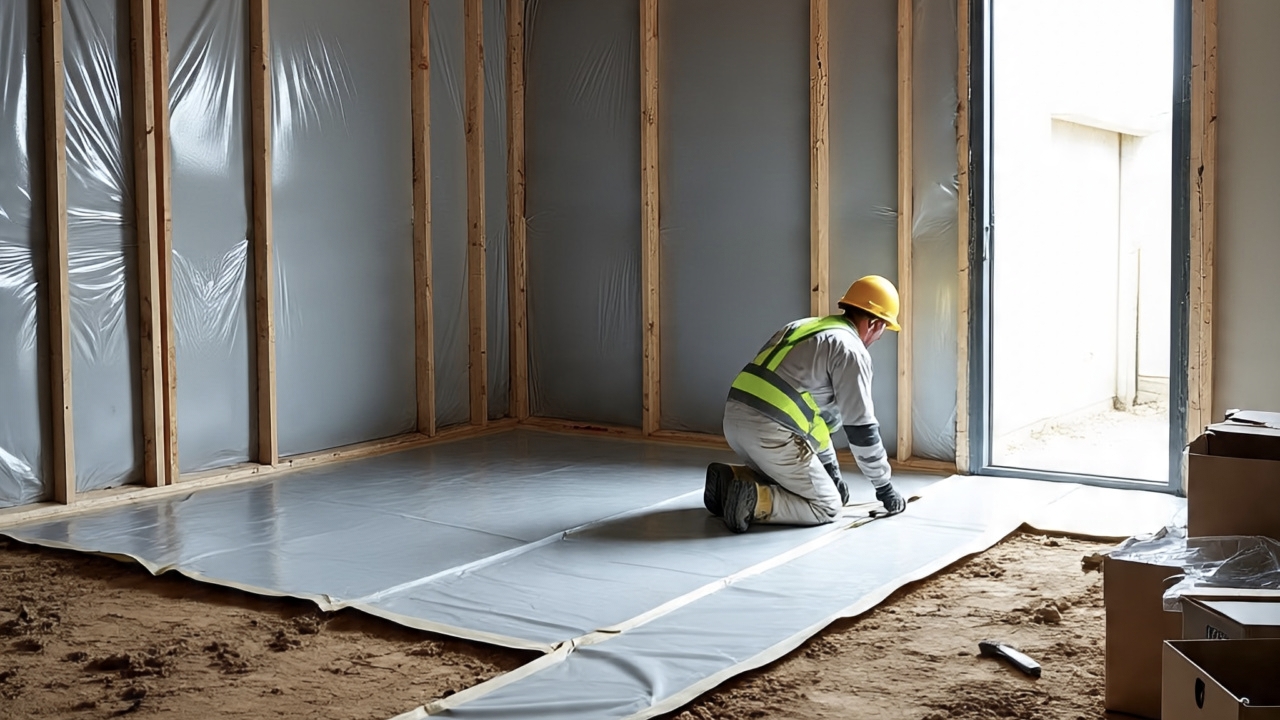
Crawlspace encapsulations use vapor barriers to seal underfloor areas; this helps limit moisture exposure beneath the home. Professionals use this process in both residential and commercial properties to protect structures from water-related damage. The procedure involves the following steps:
Inspection and preparation
Technicians assess the crawlspace to understand current moisture conditions, and they confirm that the area is suitable for encapsulation. If standing water or excessive dampness is present, conditions are addressed before barrier placement because trapped moisture can interfere with performance. The crawlspace is prepared so the barrier lies flat, stays in contact with the ground; areas around vents, support beams, and edges are cleared for sealing. Proper preparation creates a smooth, even surface and makes it possible to seal seams tightly.
Sealing and moisture control
A durable vapor barrier is placed across exposed soil, and the material is positioned to create uninterrupted ground coverage. Individual sections of the vapor barrier are overlapped and secured so the liner remains stable, while edges extend toward the crawlspace walls to reduce open gaps. The sealed ground surface slows the upward movement of moisture because soil vapor can no longer move freely into the crawlspace air. Once the barrier is fully installed, the enclosed crawlspace helps stabilize humidity and makes the area easier to manage over time.
Advantages Of Crawlspace Encapsulations
Crawlspace encapsulation helps prevent moisture and damage beneath a home; it limits ground vapor from reaching structural materials. These improvements help keep the crawlspace dry, stable, and protected over time. Here are a few of its advantages:
Air and environment control
A sealed crawlspace reduces the amount of damp air that can move upward, and this limits constant moisture exchange with the home. The barrier slows soil vapor and reduces the amount of ground particles that move into the structure. The enclosed crawlspace prevents outside humidity from entering the underfloor area, allowing the home’s ventilation system to operate without interference. This creates a drier underfloor environment that is easier to regulate.
Structural preservation
Wood components such as floor joists, beams, and the subfloor experience less continuous moisture exposure when the crawlspace is enclosed. Reduced dampness slows repeated swelling and drying cycles, and these materials remain more dimensionally stable. When framing maintains a consistent shape, weight transfers more evenly through the joists and beams because gaps caused by movement are less likely to form. A drier crawlspace is also less attractive to pests that prefer wet environments, while insulation and ductwork are less likely to experience prolonged damp conditions.
Comfort and Humidity Control
Crawlspace encapsulations reduce airflow between the crawlspace and the outside, which changes how moisture moves beneath the home. The vapor barrier covers exposed soil and walls, keeping crawlspace air separate from interior air. Extreme temperature differences between floors are reduced. Controlling the movement of cooler or warmer air under the home helps keep floor surfaces from developing temperature spots.
Hire Crawlspace Encapsulation Services
Crawlspace encapsulations fix moisture, air quality, and structural issues under the home. Professional inspection and sealing help keep the crawlspace dry and maintain stable air and surface conditions. Hire specialists to inspect and seal crawl spaces, keeping your home protected from moisture damage.