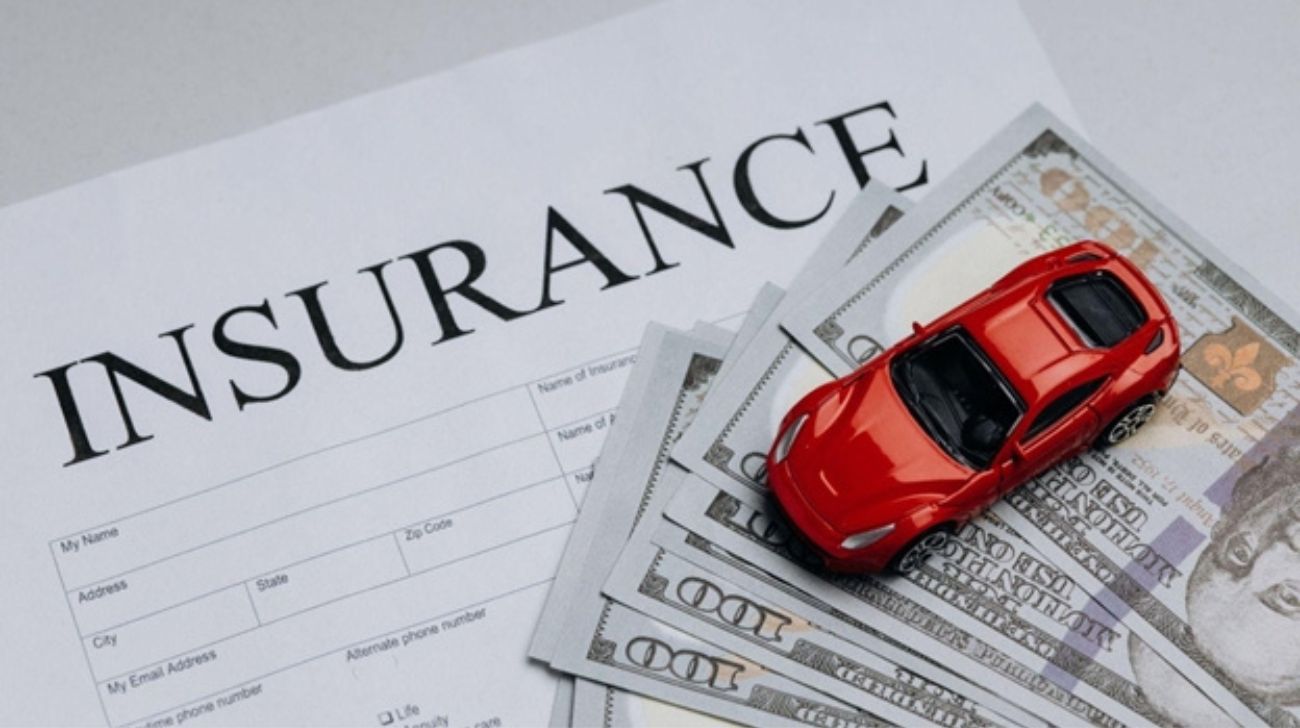
Renewal season has a funny way of sneaking up on you. One day, your policy is valid, the next day, you are staring at a renewal quote that feels higher than expected. The good news is that premium jumps are often linked to avoidable missteps, not bad luck. If you treat renewal like a quick annual audit rather than a one-click payment, you can keep cover strong and costs sensible.
In this article, you will explore smart renewal habits to prevent avoidable premium hikes and coverage gaps.
Before You Renew Your Car Insurance, Do This Quick Review
A renewal is not just a payment. It is your chance to ensure your car insurance still matches how you drive, where you park, and what your car is worth today.
Avoid Letting The Policy Lapse, Even Briefly
A break in coverage can quietly become expensive. Once a policy expires, insurers may ask for an inspection before issuing own-damage cover again, and any earned benefits linked to claim-free driving may not be treated the same way. Renewing before the expiry date helps you retain those benefits and keeps the transition seamless.
Don’t Miss Small Detail Updates That Affect Pricing
Premiums are calculated from the information you provide. If your details are outdated or inconsistent, you could end up paying more or facing delays at claim time. Accuracy is not about being perfect. It is about being consistent and transparent, so your cover works when you need it.
Recheck Your Car’s Declared Value
Your declared car value influences both the premium and the claim settlement. Under-declaring might reduce premiums, but it can also reduce payouts if your car is stolen or written off. Over-declaring can inflate premiums without adding real value. Aim for a fair, market-aligned figure, and ensure any non-standard accessories are properly covered if you expect reimbursement for them.
Choose a Cover That Protects You, Not Just Your Wallet
For many owners, comprehensive insurance is the most balanced approach because it combines third-party liability coverage with protection for your own car against common risks such as accidents, theft, fire, and certain natural events.
Don’t Mix Up Third-Party, Own-Damage, and Comprehensive
A common premium-boosting mistake is accidentally upgrading cover without noticing what changed, or downgrading and then adding multiple riders to fix the gaps. Decide the base cover first, then build on it.
Don’t Auto-Renew Add-Ons You No Longer Need
Add-ons are useful, but only when they match your car’s age, your driving pattern, and where you live. Many plans let you customise protection with options such as zero depreciation, return to invoice, roadside assistance, and similar riders. The mistake to avoid is buying every add-on just in case. That is an easy way to inflate premiums without improving real-world protection.
Use Voluntary Deductibles Thoughtfully
A voluntary deductible can lower your premium, but it also means you pay more out of pocket during a claim. Insurers clearly note that opting for a voluntary deductible reduces premiums because you agree to contribute a predetermined part of the loss.
Don’t Let Small Claims Raise Your Renewal Quote
Claim behaviour matters. Even when repairs are genuine, frequent small claims can reduce renewal benefits and push premiums up over time.
Choose Claims Strategically
If the damage is minor and you can manage the bill, paying yourself may help you keep claim-free benefits for renewal. The idea is simple: when you avoid claims for small repairs, you are more likely to retain renewal discounts linked to claim-free driving.
Keep Repair Documentation Clean
When you do claim, avoid shortcuts. Use proper invoices, clear photographs, and authorised repair channels where possible. A clean paper trail reduces queries, speeds approvals, and prevents policyholder errors that can complicate both claim settlement and the next renewal.
Compare Like For Like Before You Pay
Switching insurers is not always the answer, but comparing quotes is a smart habit. The mistake is comparing only the final premium number without checking what is included.
Compare Coverage, Exclusions and Claim Support
When you compare, focus on:
- What is covered under own-damage, and what is excluded
- Add-ons and their limits
- Cashless repair access and claim process clarity
- The ease of providing renewal and previous policy details
Most quote journeys will ask for expiry date, claim history, and whether you earned a claim-free benefit, so keep that information ready to avoid errors while entering details.
Conclusion
A smarter renewal is rarely about hunting for the lowest premium. It is about avoiding the common mistakes that quietly inflate your quote: gaps in coverage, mismatched add-ons, incorrect details, and claim decisions made without thinking ahead. Treat renewal as a short yearly tune-up for your policy. When your cover aligns with your car’s real value and your real risk, your premium tends to stay more predictable, and your claims experience stays far less stressful.