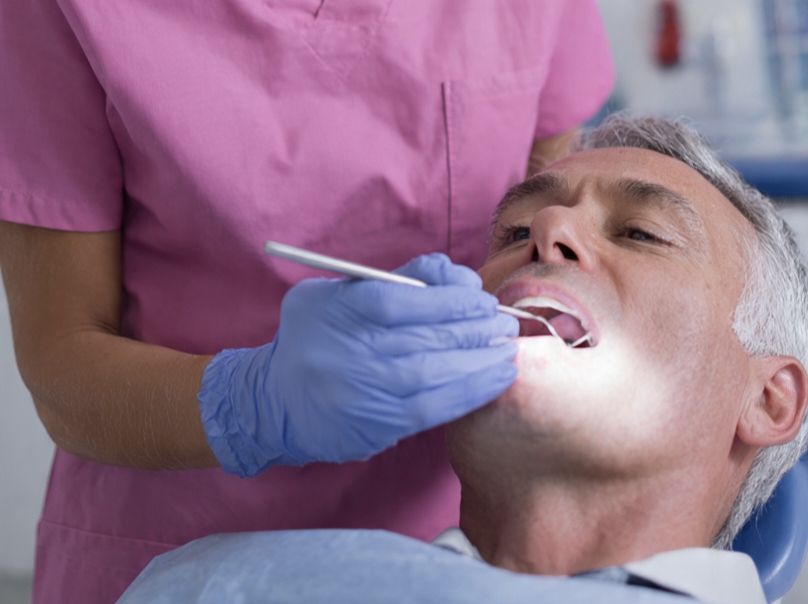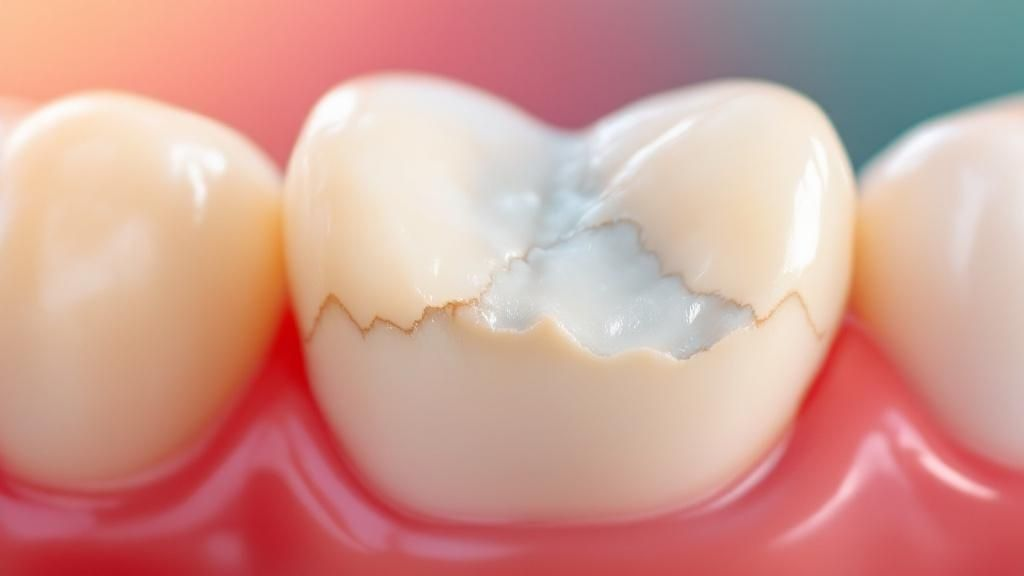
You’ve already dealt with the annoyance of getting a cavity fixed when you had your filling placed, and you thought you were done with it. But, out of seemingly nowhere, there’s a little chunk of dental sealant in your mouth, or an unexpected feeling of pain from the tooth that says, “Nope, you can’t forget about me yet!”
As durable as a “permanent” filling is, it is breakable. What causes fillings to break, and how can you fix them fast if they do? Keep reading for the answers.
The Main Culprits Behind Broken Fillings
A broken filling doesn’t mean you did anything “wrong.” You can have the best oral hygiene habits, and still end up with the dreaded pit in your stomach from the knowledge that you need to interrupt your schedule for an urgent dental visit.
Sometimes, the filling is just too old. Depending on when you had yours placed, it may be made from materials that have degraded. Older fillings were silver or gray and made from amalgam, either mercury, tin, or silver. These were safe and effective, but didn’t have a long lifespan. Today’s dentists often use composite, which lasts longer and is the same shade as the tooth, but it can still break.
Even new fillings can’t hold up to ongoing excessive pressure, as this article from JS Dental Lab explains. Wear and tear from chewing is one thing, but if you’re a tooth grinder, the constant force of grinding and clenching leads to cracked teeth, damaged restorations like fillings, and, in some cases, complete breaks.
Other common reasons for a broken filling include eating hard items, like candy or ice, poor oral hygiene habits that allow bacteria to decay the area around the filling, and trauma or injury to the jaw area.
How to Fix Your Broken Filling
Even the best DIY-er shouldn’t try to tackle a broken filling on their own. However, you can minimize pain and discomfort while waiting for your dentist to squeeze you into their schedule.
Start by rinsing your mouth with warm salt water in between brushing. This activity removes debris and reduces bacteria buildup and inflammation that could damage the exposed tooth.
If you’re in pain, cover the sharp edges or the hole with dental wax or the drugstore temporary filling material. Take an over-the-counter pain reliever as directed to help reduce sensitivity, or try natural pain remedies for tooth discomfort.
Skip chewing on the side with the damaged filling, and avoid irritants like hot and cold food and drink, sugary or acidic items, and tobacco products.
How to Know If a Broken Filling is an Emergency
As soon as you suspect there’s something amiss with your filling, stop what you’re doing and pay attention to the symptoms.
Some things are okay to put off, but others are urgent signs that you need to call your dentist.
Urgent or Emergency?
If there’s a sharp edge or roughness around the tooth with the filling, it could mean a piece of the tooth or filling has broken off. You may not notice any pain, but you should call your dentist to find out what to do next and get on their schedule.
When you’ve noticed a problem because of a sharp pain and sudden sensitivity when you are eating or drinking, it means the filling is no longer doing its job. The seal that protects your dentin and nerves from cold and hot temperatures has broken, and it’s urgent to get it fixed before bacteria seep in (and you’re in more pain). This is a good time to seek care through a walk-in clinic or emergency dentist.
If there’s pain with chewing or biting down on that particular tooth, something has happened to cause the filling to unevenly distribute pressure. Stress is being placed on the tooth, which could cause it to crack or break. Your dentist should check it out soon before further damage happens.
In some cases, the problem is obvious: There’s a visible gap or hole where the filling is supposed to be. To keep your tooth protected, use an over-the-counter dental wax or temporary filling, and schedule an appointment with your dentist ASAP or head to the walk-in clinic.
Conclusion
A broken filling is a nuisance at best and a nightmare at worst. These restorations were placed in your tooth to protect the sensitive dentin and nerves from painful exposure and damaging bacteria, and now, they aren’t doing their job.
While you can minimize the pain at home, you shouldn’t try to fix a broken filling yourself. Call your dentist if you suspect there’s an issue with your filling — the earlier, the better!