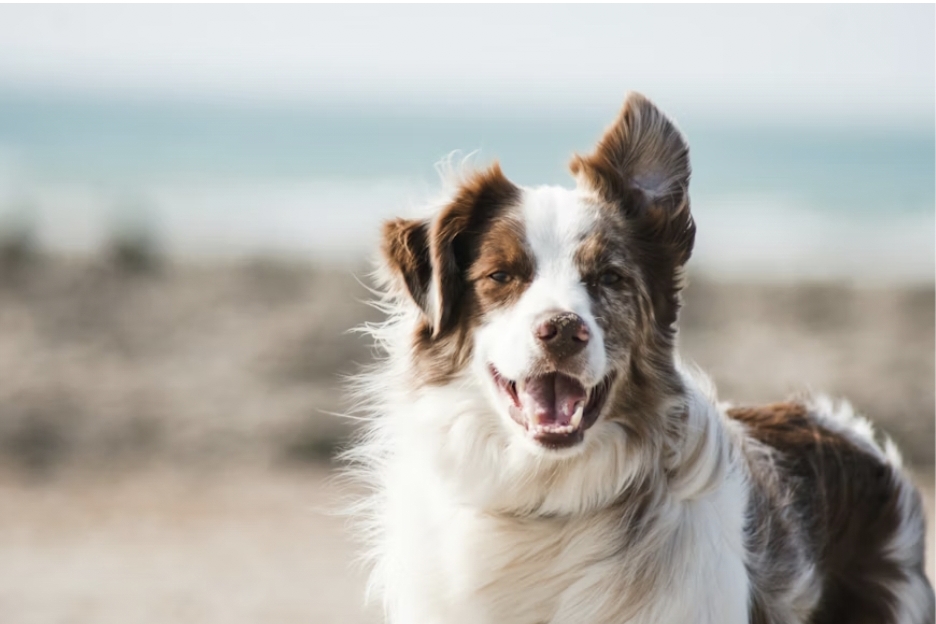
Want your dog to have the longest and happiest life possible?
Every pet parent wants the healthiest life for their pup. Dogs are family after all. But here’s the problem…
Dogs go through significant changes as they age. And if you don’t adjust your approach at each life stage, you could miss serious health problems.
The good news?
With a little know-how, you can keep your dog thriving from puppyhood to their golden years.
Table of Contents
- Why Dog Health Changes With Age
- The 5 Life Stages Every Dog Goes Through
- Health Priorities At Each Stage
- How To Manage Rising Vet Costs
- When To Make Lifestyle Adjustments
- Tying It All Together
Why Dog Health Changes With Age
Here’s the thing…
Dogs age differently than people. A one-year-old puppy is already considered a teenager in human years. And large dog breeds age much faster than small breeds.
It means a Great Dane is typically considered senior by age 7. While a Chihuahua can still be in their prime at 11.
This is why a one-size-fits-all approach to dog health just won’t cut it.
And with veterinary care costs on the rise 38.5% since 2019, getting ahead of potential health problems is more important than ever. Savvy pet owners are asking what is the best dog insurance and scouring pet insurance company reviews before big vet bills arrive. Wise move.
The 5 Life Stages Every Dog Goes Through
Understanding dog life stages helps you know exactly what your dog needs and when.
Stage 1: Puppyhood (Birth to 6 Months)
Puppies are growing at a breakneck pace during these first 6 months of life.
This is when puppies discover the world around them. They first learn from their mother. But by 7-8 weeks of age they will be eating solid food.
Health priorities during puppyhood:
- A series of vaccinations
- Balanced nutrition for rapid growth
- Socialization with people and other animals
- Basic dental care (yes, that early)
Puppies require several vet visits in their first year. This is also when good habits start forming for the rest of their lives.
Stage 2: Adolescence (6 Months to 2 Years)
This is the puppy version of the teenage years.
Your dog is still growing rapidly but is now sexually mature. Your dog will start to “test” you. They may “forget” commands they knew as a puppy.
Right as you think you are in the clear, they start barking randomly and start to chew stuff…
This is perfectly normal behavior for dogs in this stage. Stay consistent with training. Keep upping the exercise requirements as they mature.
Key health considerations:
- Discussions with your vet about spaying/neutering
- Continued vaccinations
- Monitoring growth and weight
- Behavioral training
Large dog breeds are still growing during this stage. Don’t over-exercise them until their skeleton is fully matured around age 2.
Stage 3: Adulthood (2 to 7 Years)
Welcome to the prime of your dog’s life.
Your dog is now fully matured. They are at their peak for physical activity and health. Most of the behavioral issues of puppyhood and adolescence are long behind you at this stage.
Your dog is active, energetic, and (hopefully) well-trained.
But don’t get too comfy…
Even in this stage, health issues can start to pop up. Dental problems often start at this time. Routine checkups will help catch early signs before they become big problems.
What adult dogs need:
- Annual vet visits (at minimum)
- Balanced nutrition for their size
- Daily exercise and mental stimulation
- Continued dental care
It’s also during this time that very strong bonds are formed. Adult dogs require routine and consistency to thrive.
Stage 4: Mature Adult (7+ Years)
Middle age has arrived.
Your dog might start slowing down. Energy levels drop. They may not recover quite as quickly from exercise. This stage of dog life is when your dog starts to slow down.
Smaller dogs will age more gracefully than large breeds. A 7-year-old Yorkshire Terrier is still in the clear. But a 7-year-old German Shepherd is now considered senior.
Health focus during maturity:
- More frequent vet checkups (every 6 months)
- Weight management
- Joint health
- Early detection of age-related issues
Stage 5: Senior Years
Senior dogs need extra care and attention at this time in their life.
Grey hair around muzzle and eyes is normal. Decreased mobility and hearing loss are common. Your dog may not be as energetic as before.
Your senior dog will likely develop age-related conditions like arthritis, kidney disease, and cognitive decline. Regular blood tests to help catch these diseases early on are recommended.
Senior dog care:
- Orthopedic beds for joint comfort
- Low impact exercise
- Senior specific nutrition
- Gentle mental stimulation
- Temperature regulation (helping them during weather extremes)
Managing Rising Veterinary Costs
Let’s talk about the elephant in the room…
Vet bills are expensive. Way too expensive. And they keep increasing.
A survey conducted by PetSmart Charities found that 45% of pet parents had delayed or canceled vet visits due to cost. Close to 30% said they would have to “struggle” if faced with a $500 emergency bill.
This is a problem.
Emergency vet visits alone can cost between $200 and over $10k. Minor problems become major if you skimp on care.
Options to consider:
- Pet insurance plans (coverage and cost can vary greatly)
- Pet wellness plans for routine care
- Emergency fund (aka, savings)
- Payment plans at your vet
Plan ahead of time before a crisis. Research options now before you’re stressed. You have options.
When to Make Lifestyle Adjustments
Dogs also need lifestyle and environmental adjustments as they age.
Senior dogs struggle with stairs. Consider ramps to help them get around the house. Slippery floors become dangerous for dogs with stiff joints.
Diet also becomes more important in this stage of life. Senior dogs often require fewer calories, but more specific nutrients. Consult with your vet on when to start senior dog food.
Something many pet parents forget…
Mental stimulation is important at all stages of a dog’s life. Puzzle toys and gentle games keep your dog’s mind engaged even when their body slows down.
Tying It All Together
Keeping your dog healthy at every life stage isn’t rocket science. It just requires planning and adjustments.
The basics of a healthy dog stay the same at each stage:
- Routine vet checkups
- Good nutrition
- Regular exercise
- Plenty of love and attention
What changes is how much of each is required and how often.
Puppies need vaccines and socialization. Adult dogs need maintenance and routine. Senior dogs need more monitoring and comfort.
By knowing what is required for each stage of dog life, you can hopefully catch and prevent problems before they become bigger.
And that’s exactly what every dog deserves.