If you own a restaurant, bar, or nightclub, covering the establishment against the industry’s unique risks can help prevent unexpected legal issues and financial losses. The right insurance covers a variety of risks, such as liquor liability, property damage, third-party claims, and foodborne illnesses. Assessing your restaurant insurance needs implies understanding the particular risks your business faces so you can select a policy that offers comprehensive and tailored protection. Here are key tips on how to assess your restaurant insurance needs effectively:
Location-Based Exposures
Location can influence how your tavern, cafe, or other related business faces risks like natural disasters or crime. By evaluating your restaurant’s location-based exposures, you can select a policy with enough coverage limits and specific endorsements. This means you avoid financial shortfalls for risk recovery and other potential pitfalls that come with being underinsured. If your restaurant is located in an urban area, you may need to purchase additional coverage to protect against vandalism or theft.
Understanding the particular risk exposures in your restaurant’s location also helps you select specific coverages mandated by the local laws. Purchasing the required coverages, such as liquor liability and general liability, for your establishment can help prevent lease breaches and possible penalties. Proper location evaluation also helps restaurant business owners purchase comprehensive policies that include enough equipment breakdown and business interruption coverage. When this coverage is tailored to your restaurant’s geographic vulnerabilities, you may prevent unforeseen losses associated with business interruptions.
Specific Operational Risks
Some specific operational risks that nightclubs, taverns, bars, and restaurants may face include:
- Food contamination
- Cybersecurity and data breaches
- Equipment failure
- Fire risks
- Slip and fall injuries
- Alcohol-related incidents
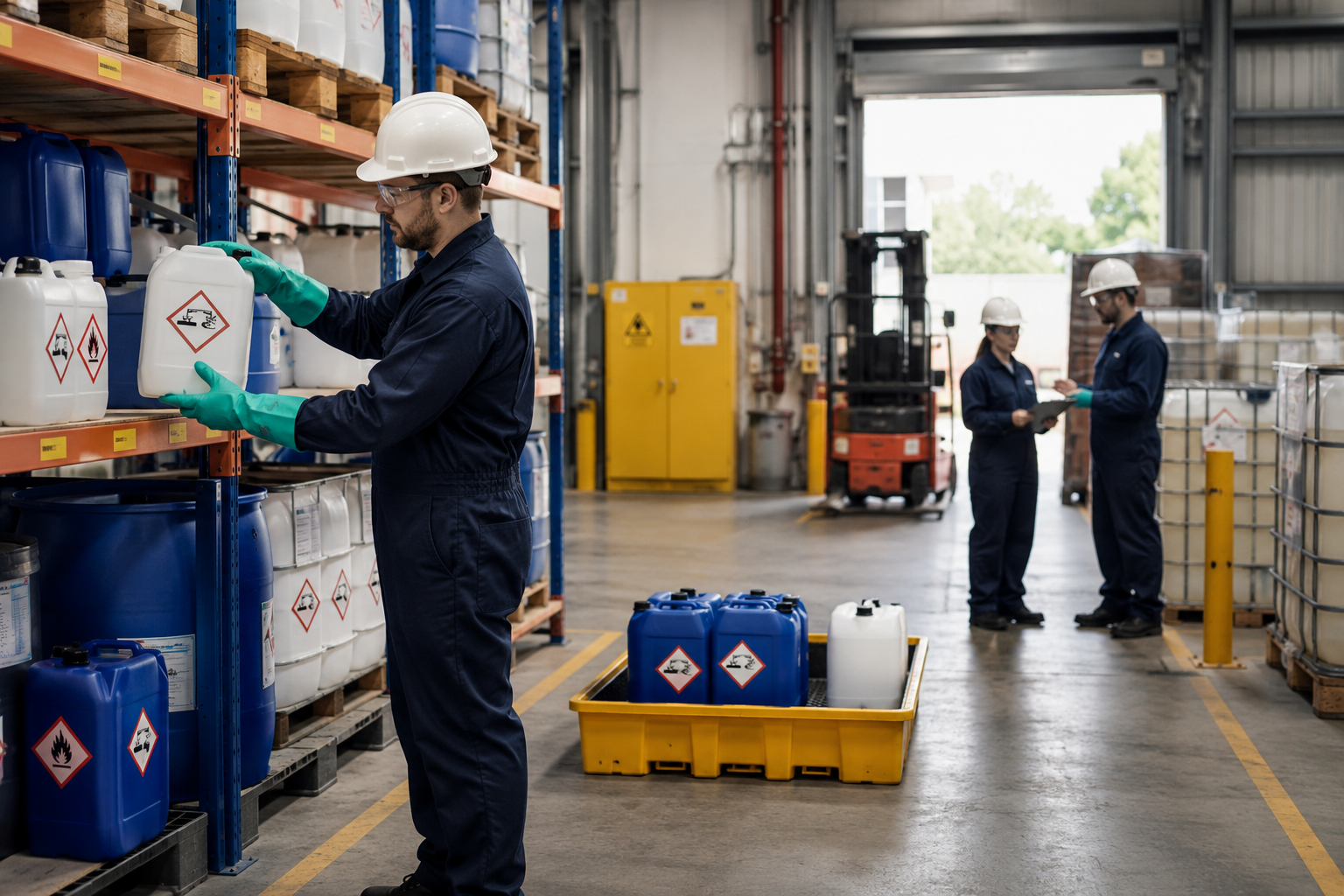
Analyzing the specific operational risks your business faces helps you understand the particular restaurant insurance you need. Your business may need options that cover incidents involving liquor consumption and customer behavior. To understand your restaurants’ particular operational risks, analyze things like customer volume, menu type, physical environment, and served alcohol. Assess food storage and delivery service; this may uncover your restaurant’s potential operational risks.
Equipment and Inventory Protection
Account for your restaurant’s equipment and inventory protection, so you can promote accurate and clear asset valuation. The right valuation of your assets enables you to choose restaurant insurance that reflects the correct repair or replacement expenses. Purchasing insurance with appropriate coverage limits prevents possible underinsurance and overinsurance. Determine what you would incur if your restaurant’s equipment breaks down or the inventory spoils before selecting this insurance. Exploring specific endorsements for inventory contamination or spoilage risks, especially for stored perishable goods, helps avoid any coverage gaps.
Incidents and Claims History
Reviewing your restaurant’s or other similar businesses’ past insurance claims, incidents, and liability exposures allows you to identify your business’s coverage gaps. By conducting this review, you gain insights into recurring risks; this helps develop more effective management and safety procedures. Examining the incidents and claims history can also support your business’s compliance with industry regulations and local laws that affect restaurant coverage requirements.
Purchase Restaurant Insurance Today
Effectively assessing your restaurant insurance needs can help prevent redundant coverage. This means increased chances of building your restaurant’s robust protection against various unique risks and achieving long-term success. For better protection of your establishment, call a reliable insurance agency.