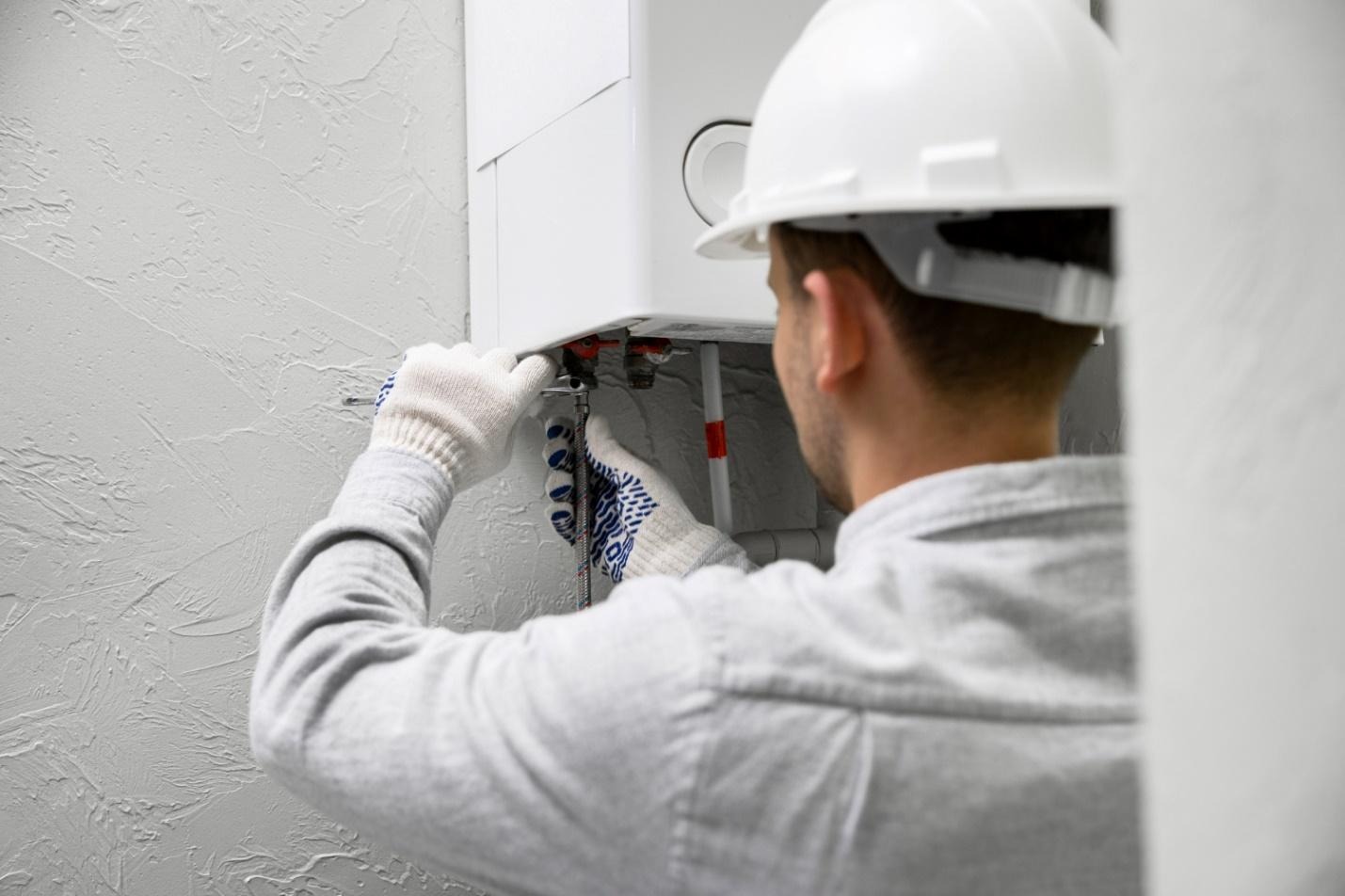
Many homeowners don’t give their boilers a second thought until something happens and causes problems, i.e., no heat, lukewarm water from the faucet or a strange sound coming from the unit that has never been heard before. And instead of considering a replacement, many people simply book another round of boiler repairs and hope for the best.
But here’s the truth that often gets overlooked: delaying boiler replacement doesn’t just cost you money—it can directly affect the safety of your home and everyone living in it.
At Essex Heating Engineers, we regularly meet families who have unknowingly been living with safety hazards simply because they kept pushing the replacement further and further down the line. While repairs may fix the immediate problem, they can never fix all of the underlying problems that result from having an aging/ failing boiler.
If you have delayed replacing your outdated boiler, think about some of the risks or hazards you may not even know exist.
1. Carbon Monoxide: The Silent Threat You Can’t See Coming
By far one of the most serious risks with an old or failing boiler is that it may suddenly start leaking carbon monoxide. It is odourless, colourless, and completely invisible-a reason it is easily passed over until signs and symptoms begin to develop.
Common signs of carbon monoxide poisoning include headaches, nausea, dizziness, fatigue. Many people assume they have the flu, while their home environment has become a dangerous location.
An old boiler, or one with persistent faults, will naturally burn its fuel less efficiently and is, consequently, more likely to pose a risk of producing CO. Even regularly boiler servicing come to a point in their life cycle where age and wear make the system unpredictable.
If you are having to call the plumber or heating engineer every now and then for boiler repairs, it could indicate internal components fighting to operate safely. The time it reaches this point, replacement is not an upgrade; it’s a safety measure.
2. Increased Fire Risk from Overworked Components
Many homeowners assume that as long as the boiler turns on, it’s fine. But a boiler that’s “barely holding on” can be one of the most stressed appliances in your home.
Ageing boilers often have:
- Overheating components
- Worn-out wiring
- Faulty sensors
- Clogged heat exchangers
When parts start overheating due to age or poor performance, the risk of electrical faults increases. And while the chance of a boiler-related fire is low, it’s not impossible—especially in systems that haven’t been updated in over 10–15 years.
A new boiler operates more safely, more efficiently, and with far better built-in protection. If your system constantly needs boiler repairs just to stay running, that’s your sign that internal parts may be reaching a dangerous level of strain.
3. Boiler Leaks That Can Create Hidden Structural Damage
A slow leak might not sound like that much of a problem, but an issue like this can have relatively serious consequences, mainly if it is enclosed in some rarely accessed cupboard, loft space, or utility room.
Leaks from older boilers can:
- Rot wooden floors
- Damage plaster or ceilings
- Affect electrical systems
- Lead to dampness and mould
- Increase repair costs dramatically
And here’s the bigger issue: a leaking boiler often signals deeper internal corrosion. Repaired once, repaired twice… but the internal decay doesn’t go away.
This is where a good plumber would be able to replace it, but the fundamental structure of the boiler is deteriorating further. It is now when replacement becomes a practical and long-term safety decision.
4. Pressure Fluctuations That Put Your Heating System at Risk
Old boilers struggle to regulate pressure properly. You might notice:
- Constant bleeding of radiators
- Sudden drops or spikes in pressure
- Frequent hissing sounds
- Inconsistent heating
Pressure that varies greatly stresses your entire central heating system. It means pipes can weaken, their fittings start to loosen, and the valves can fail without warning.
While regular boiler servicing can ascertain these issues well in advance, if your boiler continually loses pressure even after it has undergone repairs, then that could usually be a sign of deeper internal failure. And that is one thing: pressure-related faults don’t wait for time; they tend to get out of hand rather sooner.
5. More Frequent Breakdowns at the Worst Possible Time
Boilers rarely break down in summer. They usually fail when winter kicks in and demand increases.
Delaying a replacement means you risk:
- No heating during freezing nights
- No hot water when you need it most
- Emergency repair costs
- Longer wait times because engineers are busy during winter rush
If you’ve already needed multiple boiler repairs in the last year, that’s a warning signal. Repair after repair isn’t just inconvenient—it’s a sign that your boiler is losing reliability.
A new system eliminates these unpredictable failures and gives you peace of mind that your home will stay warm when it truly matters.
6. Higher Running Costs You Don’t Even Notice
Safety aside, delaying boiler replacement quietly drains your wallet.
Older boilers:
- Use more energy to heat the same amount of water
- Have lower efficiency ratings
- Lose heat internally
- Require more frequent servicing
So even if they’re “still working,” they’re working harder—and you’re paying for it every month.
Most homeowners have no idea how much energy they’ve been wasting until they get their first bill after installing a new system. In fact, it’s one of the most noticeable benefits of upgrading.
7. The Cost of Repairing Old Boilers Eventually Exceeds Replacement
There does come a point where investing in the repair of an old boiler just doesn’t make sense. Especially when:
- Replacement parts are discontinued
- Internal corrosion is severe
- Heat exchangers fail
- Safety issues arise more often.
A good heating engineer will always advise you on whether the repair is worth it anymore or replacing it would be smarter.
With Essex Heating Engineers, transparency is key: if a repair will suffice, they’ll let you know; and if replacement is imperative either for safety or long-term savings, they will explain why.
When Should You Replace Your Boiler
There are many signs that you absolutely can not ignore:
- Your boiler is 10–15 years old or older
- Repairs are becoming frequent
- Heating is inconsistent
- Pressure drops regularly
- The boiler makes unusual noises
- Your energy bills keep rising
- You’ve had repeated safety warnings during servicing
If you’re experiencing one or more of these symptoms within the past few weeks, and you haven’t replaced your boiler, you may be jeopardizing your safety and your home’s safety as well.
Final Thoughts: Safety Should Always Be First
Your boiler does far more than heat your home. It provides safety and comfort to you and those who live with you. While postponing the replacement of your boiler may save you money, it will most likely result in higher utility bills, increased risk of being harmed and additional stress on your part.
Many of the risks associated with your boiler can be alleviated through the regular boiler servicing. In the event that you decide to replace your boiler, you will have taken all the necessary steps to minimize the risks associated with the replacement of your boiler. Choose a qualified heating contractor such as Essex Heating Engineers to supply you with a safe, comfortable, and secure heating source for many years into the future.