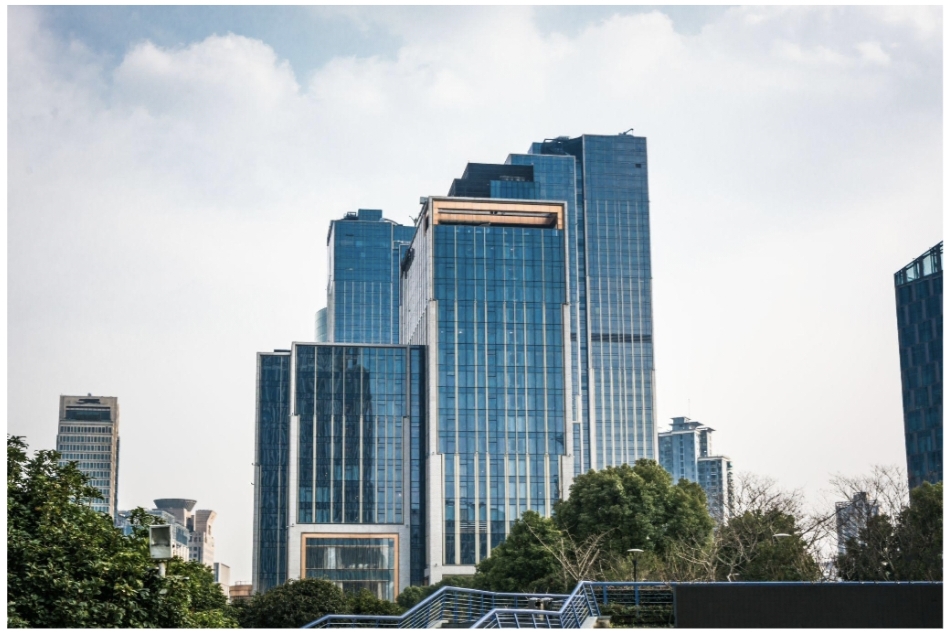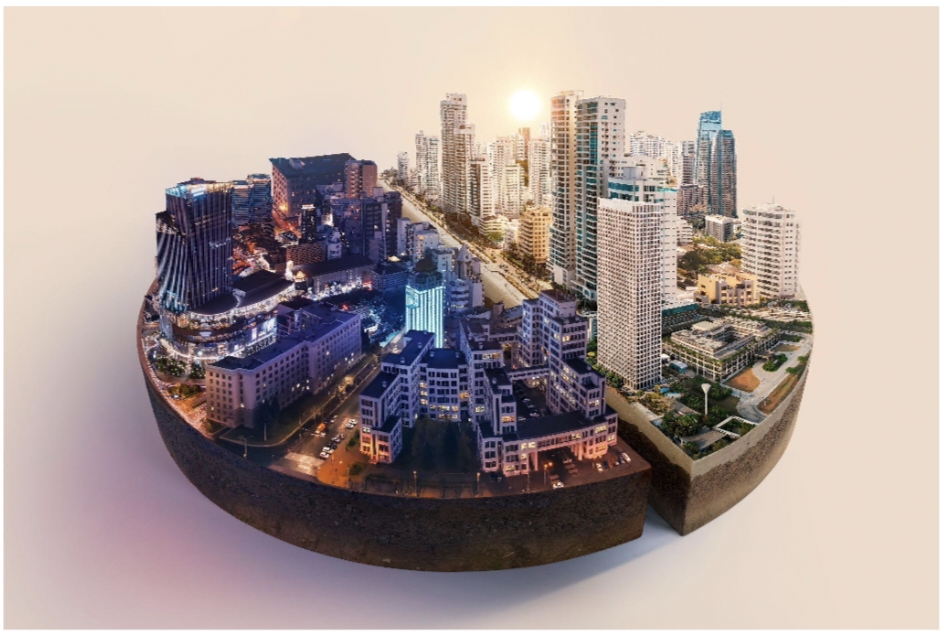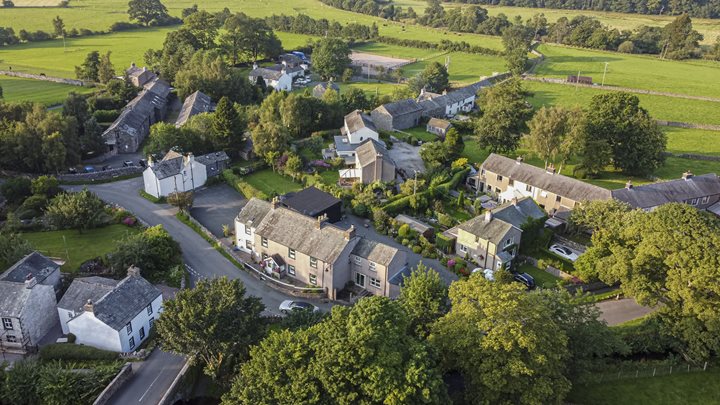
Urban life has traditionally offered opportunities for success, thrilling experiences, and easy access to services. The current population trend shows people leaving urban areas to establish peaceful lives in rural settings. The movement represents more than a longing for rural life and better ventilation. People are undergoing a cultural transition as they seek equilibrium and self-reliance and discover their authentic life purpose.
The following text examines the reasons behind this trend, provides guidance on planning the transition, and explains why many people discover their missing elements in rural areas.
Moving Strategy: How to Transition from City Life to Country Living Smoothly
The first step before starting box packing or property browsing should be to develop a plan. The transition from urban to rural living brings excitement but requires planning to avoid feeling overwhelmed.
Clarify Your “Why”
People choose to leave cities because they experience burnout and financial stress, and need to care for their family, or want to live a more relaxed lifestyle. Define yours clearly. Your filter for all upcoming decisions will be based on this definition.
Research Your Locations
Not all countryside areas are the same. Some are remote, some are commuter-friendly, some are creative hubs, and some are agricultural communities. Look into:
- Internet availability
- Job options
- Weather patterns
- Healthcare access
- Community culture
- A beautiful landscape won’t fix feeling isolated or disconnected.
Budget Realistically
The lower costs of rural living do not eliminate all expenses that come with living in rural areas. The costs of rural life include maintenance, transportation, heating, and land maintenance. Rural properties require more maintenance than typical city apartments.
Test Before Committing
A trial stay allows you to experience the actual atmosphere of the location. Spend time in the area at various times of the year. Residents should be your source of information. Observe all aspects that could become problems for you in the future, including shopping accessibility, transportation quality, and restricted amenities.
Consider Hiring Professional Movers
Rural relocations have their own quirks: long gravel roads, limited parking zones, narrow driveways, and properties spread far apart. A professional moving team used to these conditions can save you time, prevent damage to your belongings, and help navigate the logistical challenges that come with moving outside the city grid. Choosing the best moving company for this kind of terrain matters more than most people think because experience in rural routes directly impacts how smoothly your move goes. They also manage the physical strain of hauling furniture long distances, something many underestimate when transitioning to a more remote lifestyle. If your new home is hours away or difficult to access, hiring movers stops the relocation from becoming a multi-day, exhausting project.
Plan Your Income Strategy
The transition to rural living becomes possible for many people because they can work remotely. People who want to stay in their local area can either start their own businesses or join existing rural economic sectors. You need to establish your income sources before you can move to a new location.
Prepare for Lifestyle Changes
The countryside moves at a slower pace. For some, it’s freeing. For others, it requires adjustment. Expect fewer entertainment options and more self-reliance.
Create a Relocation Checklist
Utilities, property inspections, movers, permits—getting organized early saves headaches. Rural logistics take time, so plan well ahead.
3. The Quest for Peace: Why Rural Living Feels Different
The city environment produces continuous loud noises. The constant city noise continues to exhaust you even when you have grown accustomed to it. The countryside offers a rare gift to urban areas through its peaceful environment, rejuvenating people.
The psychological advantages become apparent to everyone. People achieve better sleep quality. The level of stress decreases. Creative thinking makes its return. The environment itself contributes to relaxation through its expansive views, clean atmosphere, and peaceful atmosphere that slows down the pace of life.
Small communities establish a unique environment that big cities struggle to duplicate. The residents of each neighborhood maintain personal relationships with their neighbors. People engage in extended dialogues that produce deeper connections. Community members support one another. People experience peace as an everyday occurrence instead of reserving it for weekend activities.
Reclaiming Purpose: A Chance to Redesign Your Life
Moving out of the city requires more than a simple change of residence. The transition to rural life can be a transformative experience for many people seeking to restart their lives.
The peaceful environment allows people to reassess their daily routines because they no longer face constant interruptions. People living in rural areas choose to work on their own land through homesteading and micro-farming. People dedicate their time to creating handmade items, writing stories, and starting their own businesses in their local communities. The rural environment pushes you toward physical labor, which leaves you with a sense of stability at the end of your day.
People discover purpose through various meaningful activities, which include self-sufficiency through gardening, assisting neighbors, land development, and working on long-delayed projects that urban living made impossible.
The Economic Angle: Why Rural Life Makes More Financial Sense
The cost of urban living has increased faster than people’s earnings. The financial calculations became unfeasible for many individuals in recent years.
The transition to rural living requires additional financial resources. The cost of housing in rural areas remains lower than in cities, and residents can obtain land relatively easily. Families can get extra living space through their purchase without increasing their financial burden. Rural residents who work remotely achieve the most significant economic benefit because they receive urban salaries while paying rural housing costs.
Property ownership provides homeowners with enduring financial security. More people are now choosing to purchase land rather than pay rent because real estate retains its value and creates new possibilities.
Technology’s Role in Making Rural Life Possible
A decade ago, moving to the countryside meant sacrificing connectivity. Not anymore.
Remote work opened the door for people who once felt “stuck” in cities due to career limitations. Broadband expansion, satellite internet, and affordable tech tools now make rural living practically seamless.
Online communities help fill the social gap, too. People connect through shared interests, local groups, and digital networks. Distance matters less than ever.
Challenges People Don’t Expect
Rural living isn’t perfect. It requires realistic expectations.
You may have to drive farther for groceries. Services move more slowly. The weather affects daily plans. Infrastructure may not be as polished as in the city.
And building new friendships takes effort. People in small towns form relationships over time, not overnight. It’s essential to show up, participate, and let the community get to know you gradually.
These challenges don’t negate the benefits. They remind you to prepare instead of idealize.
Conclusion: The Countryside as the New Frontier for Intentional Living
The move toward rural living isn’t a trend. It’s a course correction. People want quiet, community, and room to grow—physically and emotionally.
For anyone feeling drained by city life, the countryside offers an alternative that’s both practical and meaningful. With the right strategy and expectations, it can be the start of a more grounded way of living—one defined by intention rather than noise.