Stability and durability of the structures in engineering and construction are important aspects. Fastener: An integral part that contributes to the security of the coupled parts. However, these fasteners may not be as effective due to various factors, including the type of washer used, if any is used at all. SAE washers are specifically known for load distribution and impact on fastener use. This guide outlines the role and advantages of SAE washers, explaining their significance in various engineering applications.
What Are SAE Washers?
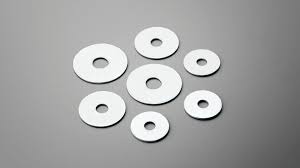
Steel SAE washers are flat, round pieces of hardware used in conjunction with fasteners, such as bolts and nuts. The primary function of washers is to distribute the load of a fastener more evenly across the surface. This protects against material deformation and enhances the integrity of the fastening. SAE washers conform to Society of Automotive Engineers specifications for quality and size. Compared to standard flat washers, an SAE washer provides enhanced strength and resistance to deformation in demanding environments.
Load Distribution: The Primary Function
Although the major advantage of using SAE washers is the load distribution, when you tighten a fastener, the load is focused on the bolt or nut, which can lead to distortion or material crushing. SAE washers distribute this force across a larger area. This distribution minimizes stress in the material, reducing the risk of cracks or warps that can affect structural integrity.
Enhancing Fastener Performance
SAE washers also play a role in the fastener performance. Washers provide a larger bearing surface area, reducing the configuration load on the bolt or nut, thereby preventing loosening due to the loosening effect over time. Such stability is crucial in applications that involve vibration or where dynamic loads are featured. The washer absorbs wear and offers space, allowing some play between the fulcrum and lever while maintaining a tight connection.
Material Considerations
SAE washers can be made from various materials, depending on your specific needs. This encompasses conventional metals such as steel, stainless steel, and brass. They each have unique benefits depending on the use case. For heavy-duty applications, steel washers offer strength and power. Ideal for humid environments owing to its corrosion resistance, stainless steel. In many cases, brass washers are preferred for their ability to conduct electricity and also for their considerable resistance to tarnishing.
Size and Thickness
Selecting the correct size and thickness of an SAE washer ensures optimal performance. A washer that is too thin may not adequately distribute load, while a washer that is too thick may contact the fastener head and interfere with proper engagement. Of course, you need to make sure that this matches the size of the bolt or nut. Most manufacturers provide detailed specs to help users find appropriate washer specifications for their use cases.
Installation Best Practices
To achieve the maximum benefits from SAE washers, they must be installed correctly. When the washer is fit, the surface is flat and not tilted or curved. Ensure the washer is not bent; otherwise, it will not function properly. Another thing to note is that it is essential to tighten the fastener with the correct tightening torque. Too much pressure can damage the washer, while too little will not distribute the load effectively.
Applications Across Industries
SAE washers are utilized in various industries, ranging from automotive to construction. In the automotive industry, they are used to secure engine components and chassis parts, where reliability is critical. In construction, they stabilize structural connections to ensure they are safe and long-lasting. They are a highly adaptable component used in various engineering techniques.
Environmental Considerations
Environmentally sensitive factors can bias SAE washers. The washer material properties must be chosen wisely if corrosive environments or high temperatures are involved. For example, stainless steel washers are commonly used in marine applications because they withstand the corrosive effects of saltwater. By understanding the environmental conditions, one can select a suitable washer that will perform well over time.
Conclusion
SAE washers help optimize the load-bearing capacity of fasteners while also enhancing their performance. They help extend the life and stability of structures by distributing the force of a fastener, reducing stresses on the material. To utilize the benefits of an SAE washer, selecting the correct material, size, and proper fitting is an essential step. These washers are among the most important applications found in engineering across multiple industries, as they provide stable and strong connections.