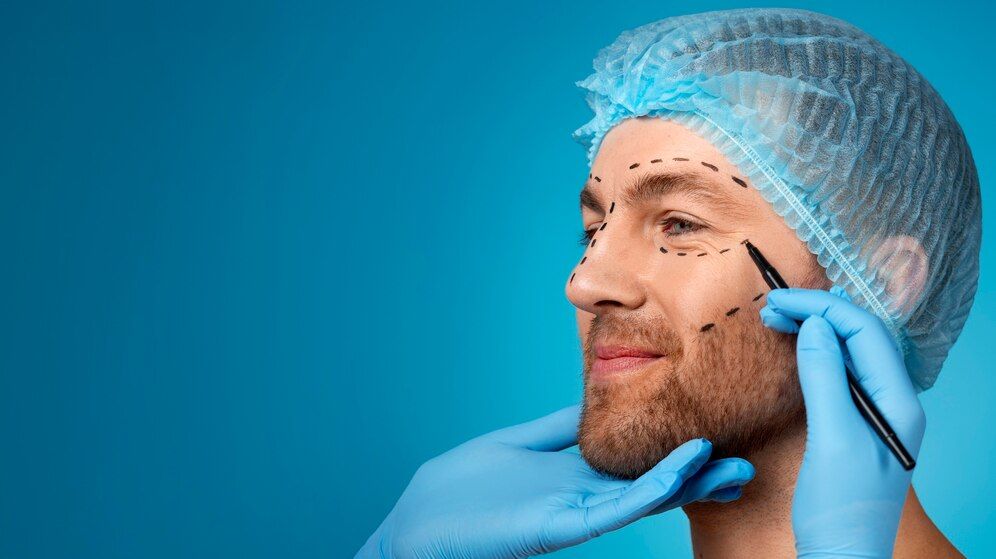
When you’re thinking about a cosmetic procedure — whether it’s something subtle or a bigger change — it’s normal to feel a mix of excitement and nerves. These treatments can be transformative, but that’s exactly why caution matters. With so many clinics, trends, and offers competing for attention, it’s easy to overlook warning signs that could lead to disappointing results or long-term problems. Before making any decision, it’s worth speaking with a qualified professional such as a plastic surgeon Perth, who can explain risks, expectations, and whether the procedure is truly suitable for you.
Spotting red flags early can protect both your safety and your results. Here are the key ones to watch out for.
Pressure Tactics or “Limited-Time Offers”
Any cosmetic treatment that permanently alters your appearance should never feel like a rushed decision. If a clinic pushes you to book immediately, uses aggressive sales tactics, or claims the price will “never be this low again,” take a step back.
These pressure tactics often mean:
- They care more about sales volume than individual outcomes
- They don’t expect you to ask detailed questions
- They might be hiding something, from qualifications to true costs
A reputable provider will give you time to think things through, review information, and return with questions. If you feel rushed, it’s a sign to look elsewhere.
Vague Explanations or Overly Simplified Claims
Procedures — even the non-invasive ones — involve real science, real risks, and real aftercare. If a practitioner glosses over details or gives explanations that sound rehearsed rather than tailored to you, that’s a concern.
Red flags include:
- Describing complex procedures as “simple” or “risk-free”
- Avoiding specific questions
- Failing to explain what the procedure does beneath the skin
- Claiming you’ll get the same results as someone in an ad or video
A trustworthy practitioner will explain things in clear, everyday language while still giving you the depth you need to make an informed choice.
No Mention of Possible Risks or Side Effects
Every procedure — from injectables to surgical enhancements — has potential drawbacks. If a clinic only talks about benefits or says, “There are no risks,” that’s an immediate warning.
You should always be told:
- Common side effects
- Rare but possible complications
- How long recovery typically takes
- What to do if something doesn’t look or feel right
If this information isn’t freely given or feels brushed aside, consider that a sign that the clinic isn’t prioritising your safety.
Too-Good-to-Be-True Results
Overselling results is one of the biggest problems in the cosmetic industry. A provider might promise dramatic changes, instant transformations, or outcomes identical to heavily edited images online. But real results depend on your skin, your facial structure, and the technique used.
Be wary if you hear:
- “Zero downtime and instant results!”
- “You’ll look exactly like this influencer.”
- “This treatment works for everyone.”
- “Guaranteed results.”
Cosmetic work is part medical, part artistic — and no ethical provider guarantees perfection.
Lack of Before-and-After Photos (or Photos That Look Suspicious)
Before-and-after photos are one of the clearest ways to judge a provider’s skill. If a clinic can’t show examples of their work or the photos look inconsistent, overly edited, or suspiciously similar to images you’ve seen elsewhere, that’s a red flag.
Quality photos should show:
- Results on different people, not just one or two models
- Realistic improvements, not dramatic jumps
- Consistent lighting and angles
- Unfiltered images
If something feels “off” about the photos, trust your instincts.
No Clear Aftercare Instructions
Proper aftercare is crucial for healing and long-term results. If a provider gives vague instructions, rushes through them, or avoids explaining what to expect over the next few days or weeks, that’s a sign of poor patient care.
You should receive:
- Step-by-step instructions
- What to avoid (exercise, sun exposure, certain products)
- Warning signs that require medical attention
- A follow-up plan or review appointment
If aftercare isn’t discussed, that means the clinic isn’t thinking beyond the appointment.
Qualifications That Don’t Match the Procedure
Not every cosmetic procedure requires the same level of training, but there are still standards. If a practitioner can’t clearly explain their qualifications or tries to reassure you by simply saying, “I’ve done this a lot,” it’s time to rethink your options.
Pay attention to:
- Licences
- Certifications
- Medical training
- Specialised courses related to your procedure
- How long they’ve been performing this exact treatment
Experience matters — not just general experience, but experience with the specific technique you’re considering.
Little to No Consultation Time
A proper consultation isn’t just a quick chat. It should include:
- A detailed discussion of your goals
- A review of your medical history
- An assessment of whether you’re a good candidate
- Transparent explanations about the procedure and its limitations
If the consultation feels rushed, generic, or dismissive, that’s a major red flag. Personalisation is essential.
A thoughtful practitioner will help you understand what’s realistic, what’s safe, and what simply isn’t right for your face or body.
Choosing a cosmetic procedure is a personal decision, and it deserves time, clarity, and the right guidance. By keeping an eye out for these red flags, you can protect yourself from shortcuts, poor outcomes, and unnecessary risks. The more informed you are, the easier it becomes to make choices that truly support your wellbeing — now and in the long run.