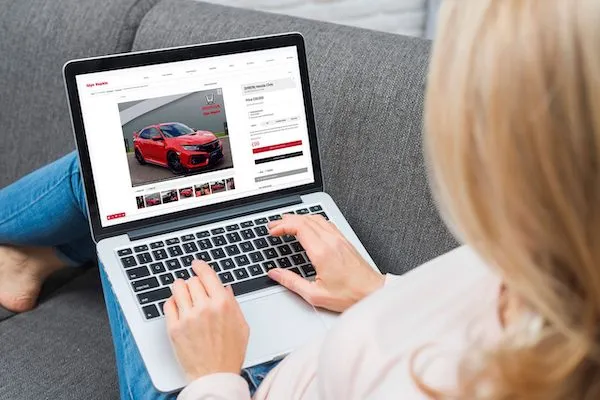
Buying a car online has become incredibly common — and incredibly risky if you don’t know what to look out for. Whether it’s a private seller, a classified listing, or even a dealership advertising heavily discounted stock, the convenience of online car shopping can sometimes hide some very real dangers. Many scams are clever enough to seem legitimate at first glance, especially when people feel rushed, excited, or pressured to make a quick decision. And while researching things like importing a car from Japan to Australia can give you confidence in navigating a purchase, it’s just as important to protect yourself from the growing wave of online vehicle fraud.
The good news? Most scams follow a predictable pattern. Once you understand the warning signs, you can avoid losing money, wasting time, or ending up with a vehicle that’s completely different from what you expected.
Why Online Car Scams Are Increasing
Scammers aren’t just targeting inexperienced buyers. Even car enthusiasts get caught because scammers now use:
- Professional-looking websites
- Real photos stolen from genuine sellers
- Fake invoices and shipping documents
- Convincing stories designed to remove urgency and reduce suspicion
Online transactions also allow scammers to hide behind messaging apps or email, making it harder to verify who they really are.
The Red Flags Every Buyer Should Watch For
1. Prices that are far below market value
If a vehicle is priced thousands below similar models, it’s usually too good to be true. Scammers rely on urgency — they want you to fear missing out.
2. Sellers who avoid phone or video calls
A legitimate seller is almost always willing to speak properly or show the vehicle live. Scammers avoid this because:
- They don’t have the car
- They don’t want their voice recognised
- They’re pretending to be in another country
If someone refuses a video walk-through, treat it as a major warning.
3. Requests for unusual payment methods
Be cautious of anyone who:
- Asks for bank transfers
- Wants gift cards or cryptocurrency
- Pressures you to pay before inspection
- Offers “third-party” payment systems you’ve never heard of
Once the money is gone, it’s usually gone for good.
How to Protect Yourself Before You Pay Anything
1. Verify the seller’s identity
Ask for:
- A copy of their ID
- Proof of address
- Registration papers matching their name
- A live video showing both the car and the person holding today’s date on paper
Legitimate sellers rarely object to basic verification.
2. Inspect the vehicle properly — even if it’s remote
If you can’t see the car in person, arrange:
- A licensed mobile mechanic
- A professional inspection service
- A trusted third party (never someone recommended by the seller)
Inspection reports protect you from hidden damage, odometer rollback, or misrepresented condition.
3. Cross-check the VIN
Enter the VIN into trusted databases to check for:
- Theft
- Write-offs
- Flood damage
- Tampering
- Odometer inconsistencies
If the seller hesitates to provide the VIN, walk away immediately.
4. Avoid paying deposits before inspection
Scammers often claim:
- “Someone else is interested”
- “We can hold it for a small fee”
- “Shipping can’t start until the deposit is paid”
A reputable seller will allow proper checks before taking money.
Beware of Fake Shipping and Escrow Services
Some scammers set up entire websites posing as legitimate shipping or escrow companies. They mimic real logos, create fake tracking numbers, and send professional-looking invoices. This tactic is especially common when purchasing a Harley, for instance, where higher price points make the scam more profitable.
Never trust:
- Links sent only by the seller
- Payment requests through unfamiliar portals
- Companies demanding full payment before you even see the vehicle
Always search for the business independently and call the official phone number — don’t rely on the contact details the seller provides.
What To Do If a Listing Looks Suspicious
Here are safe, low-effort ways to test a questionable listing:
Reverse-search the images
If the photos appear on other websites, especially overseas listings, it’s stolen content.
Ask for a specific, unusual photo
For example:
“Can you send a close-up photo of the car with the fuel cap open and today’s date on a piece of paper next to it?”
Scammers can’t provide custom photos.
Check the seller’s account history
Brand-new accounts on marketplaces or social media are riskier. Look for:
- Past sales
- Real engagement
- Verification badges
If everything looks freshly created, proceed with caution.
Stay Patient — Scammers Thrive on Rushed Decisions
A common tactic is to pressure you with lines like:
- “I’m relocating and need to sell fast.”
- “The car is already in storage, so I can’t show it right now.”
- “If you don’t pay today, someone else will.”
Slow down. Real sellers don’t panic-sell a perfectly good vehicle in a few hours.
Buying Online Can Be Safe — If You Stay Smart
Online car buying can absolutely work in your favour — you can access better deals, rare models, and wider options. But staying safe requires a bit of scepticism and a lot of verification.
When you protect your money, trust your instincts, and verify everything upfront, the process becomes much smoother. And if anything feels off — even slightly — it’s always better to walk away than to risk being scammed.