
Mornings have a reputation: they either set momentum or create chaos. Whether someone is working on a university deadline, building a business, or trying to finish a creative project, those first waking hours often determine how focused and effective the rest of the day becomes. In recent years, people have explored more structured wellness routines, supplements, and even relaxation products such as torch gummies, hoping to boost clarity, reduce stress, or increase motivation. While certain habits and tools may support a healthier mental rhythm, real long-term productivity comes from building intentional morning patterns that are consistent, simple, and repeatable.
A productive morning is not about waking up at an extreme hour or following a rigid schedule. Instead, it’s about choosing small habits that support your mindset, energy, and ability to make decisions throughout the day. As researchers increasingly emphasize, the brain thrives on routine cues that signal “the day is beginning”, allowing your mind and body to transition out of rest mode into a more focused and present state. And the good news is: these habits don’t have to be complicated.
Start the Morning Without Rushing
One of the most common productivity killers is urgency. Not urgency in the helpful sense, urgency in the chaotic sense: oversleeping, checking messages before breathing, scrolling social media before even sitting upright, or mentally jumping ahead to every task before the day has begun. When the first experience of the day is stress or rushing, the nervous system enters “survival mode,” which makes it harder to think clearly, problem-solve, or maintain emotional balance later.
Giving yourself even five unrushed minutes can change the energy of the whole day. Sitting at the edge of the bed and waking up intentionally, instead of diving into notifications immediately, helps the mind transition calmly. Over time, this teaches your brain to view mornings as grounded and manageable instead of overwhelming.
Hydrate and Wake the Body Gently
While morning coffee is a ritual many people enjoy, hydration comes first. After several hours of sleep without water, the body is mildly dehydrated, which can affect energy, concentration, and digestion. Drinking a glass of water shortly after waking helps restore balance and signals the metabolism to activate.
Movement also plays a key role. It doesn’t have to be intense exercise, stretching, light yoga, or an easy walk are enough to increase circulation, loosen muscles, and lift the mood. According to the U.S. Centers for Disease Control and Prevention, even a small amount of regular physical activity can improve focus, reduce fatigue, and support long-term cognitive performance. The goal isn’t perfection; it’s simply awakening the body so the mind can follow.
Create a Slow Start Ritual
Rituals give structure. They also help build emotional associations with motivation or calmness. A morning ritual might be journaling, reading something inspiring, making a healthy breakfast, or even sitting in silence for a few minutes.
For students, this ritual may be about clearing mental clutter. For entrepreneurs, it may be setting intention for leadership. For creatives, it may be reconnecting with curiosity. What matters is not the activity itself, it’s the consistency.
A slow-start ritual also helps shield the mind from overstimulation. Jumping immediately into tasks, emails, or problem-solving can lead to fatigue before the day properly starts. By choosing a short, meaningful ritual, the morning becomes more grounded, reflective, and focused.
Prioritize Before the Day Overwhelms You
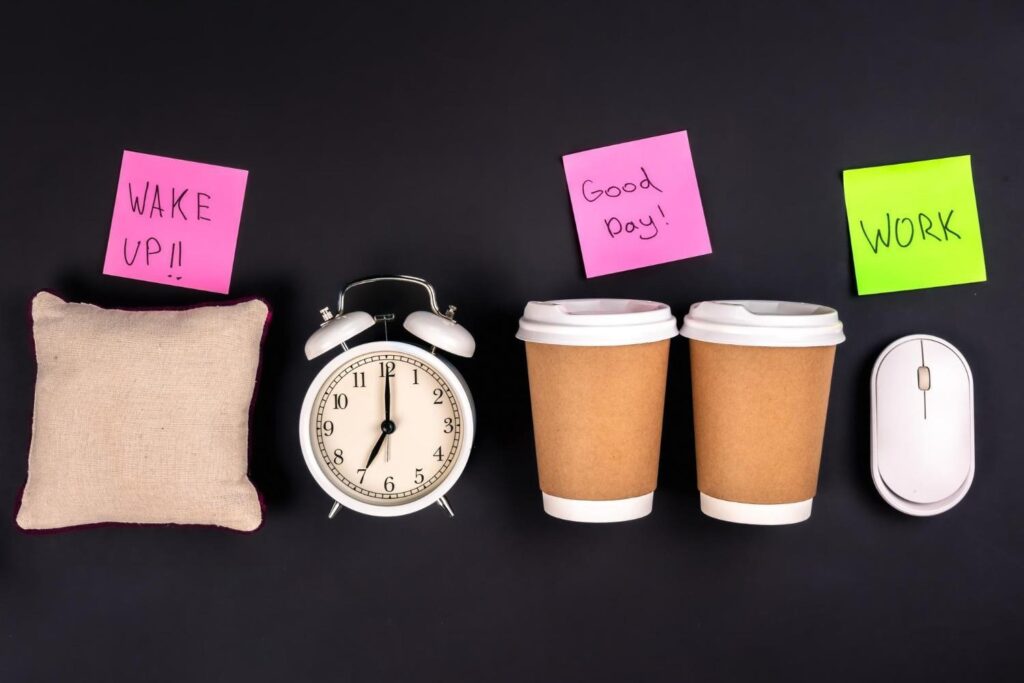
Image from Freepik
It’s easy to feel busy without actually being productive. Many people spend their whole day reacting instead of choosing. The simplest way to prevent this is by choosing the top one to three priorities before any other task begins.
Instead of writing a long list, focus on what must be completed today, not what would be nice to complete. This reduces decision fatigue and prevents spreading attention too thin. Entrepreneurs may choose business-critical actions, students may choose assignments with deadlines, and creatives may choose progress steps that move a project forward.
Over time, prioritizing early trains the brain to think strategically rather than reactively.
Protect the First Hour from Digital Overload
Modern life is deeply connected to digital devices. Messages, social media feeds, push notifications, and news headlines all compete for mental bandwidth. The first hour of the day is fragile, it determines mindset, emotional tone, and attention span. When it’s immediately filled with digital noise, the mind becomes scattered before focus has even formed.
A helpful approach is treating the first waking hour as “offline thinking space.” Instead of checking messages or scrolling, use that window for clarity, movement, or planning. This prevents cognitive overload and makes it easier to focus naturally later in the day.
Productivity isn’t about doing more, it’s about doing what matters with intention and ease. Students, entrepreneurs, and creatives may have different schedules and responsibilities, but the foundation of an effective morning routine is universal: start gently, support the body, focus the mind, and protect attention before the world demands it.
Some people may explore wellness products or supplements as part of their personal balance, others prefer a simple, minimalist routine. But regardless of personal style, carefully chosen morning habits build rhythm, structure, and clarity. And once mornings become intentional instead of accidental, the rest of the day begins to feel more manageable, more meaningful, and more aligned with progress.